
Typical buyers
- Operational leads
- Transformation leads
- Digital programme leads
- Service managers
- Governance stakeholders
Health & care
Plainstep helps health and care teams improve flow, coordination, migration safety, and operational visibility where services cannot simply stop.
Usually responds within 1 working day.
Pathway view
The workflow starts where pressure is visible but not yet well controlled.
Teams need a shared view of urgency, blockers, and the next useful action.
Ownership, escalation, and follow-through need to remain clear across teams.
Leaders need to see whether the change is working without another dashboard layer.
Typical buyers
Plainstep fits best when the buyer can point to one pathway, one bottleneck, or one migration risk area that matters now.
Not a rip-and-replace EPR pitch, and not a broad transformation programme before the workflow is understood.
Typical first projects
The strongest first step is usually a pathway, service bottleneck, or migration question that leaders can define clearly enough to review.
Queues build up, prioritisation varies, and staff cannot see what should move next.
Hand-offs break down across teams, systems, or settings, and delays become hard to unwind.
Records still matter in day-to-day work, so leaders need confidence before transition becomes irreversible.
Services need a clearer view of blockage, readiness, and escalation without another dashboard nobody trusts.
Proof and scenarios
The proof page now combines live-accountable legacy replacement with a telehealth operational case focused on clinical triage, scheduling, and constrained-service coordination. The scenario pages show how Plainstep thinks about coordination, oversight, migration safety, and usable history during transition.
The proof page now includes two featured cases: a business-critical legacy replacement and a telehealth triage and scheduling platform with operational integration under real service constraints.
See proofBeacon and Relay are scenario pages that show how Plainstep approaches migration safety, coordination, and reviewable operational improvement.
See scenariosRelevant offers
The starting point is usually a Governed Review on one pathway, one service bottleneck, or one migration-risk area that needs a safer next step.
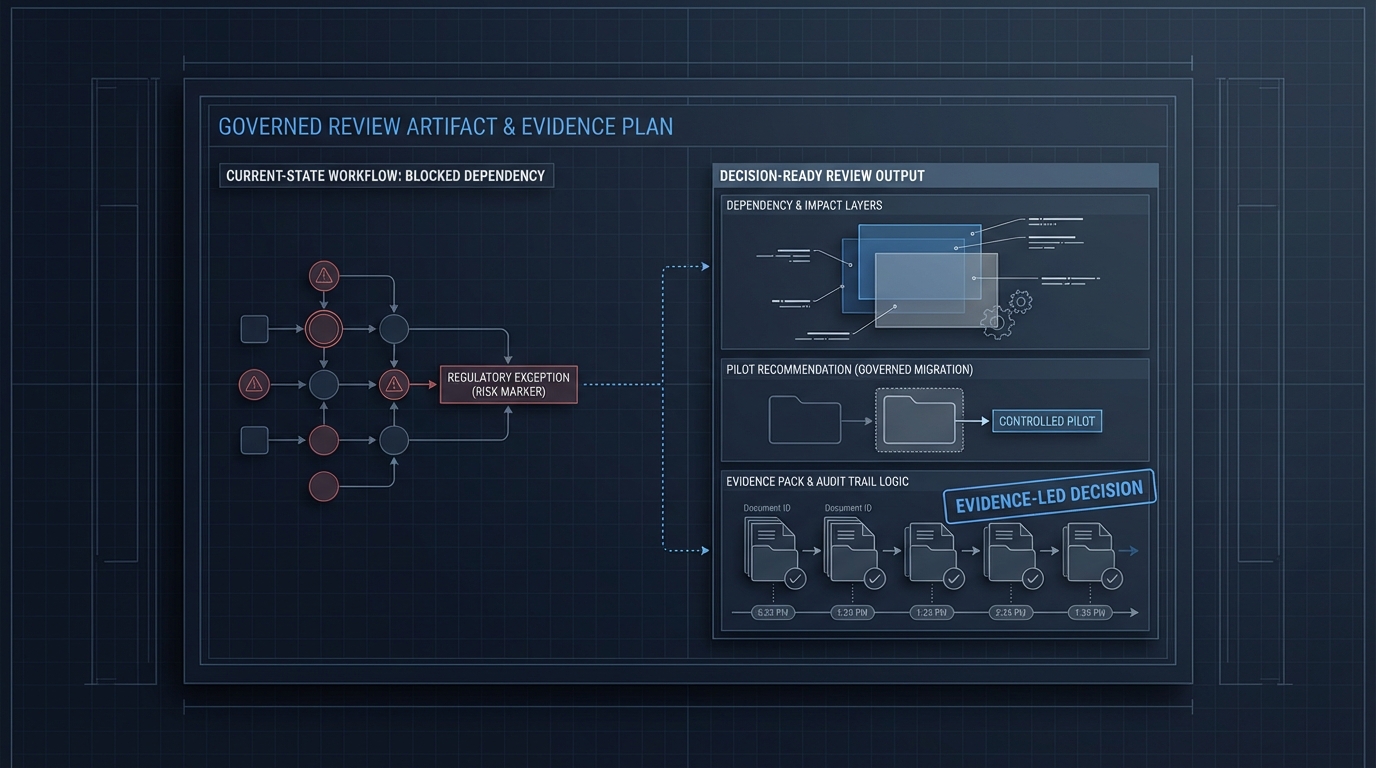
Fixed-fee entry
A short paid engagement that turns one messy operational problem into a decision-ready next step, with a defined pilot shape and evidence plan.
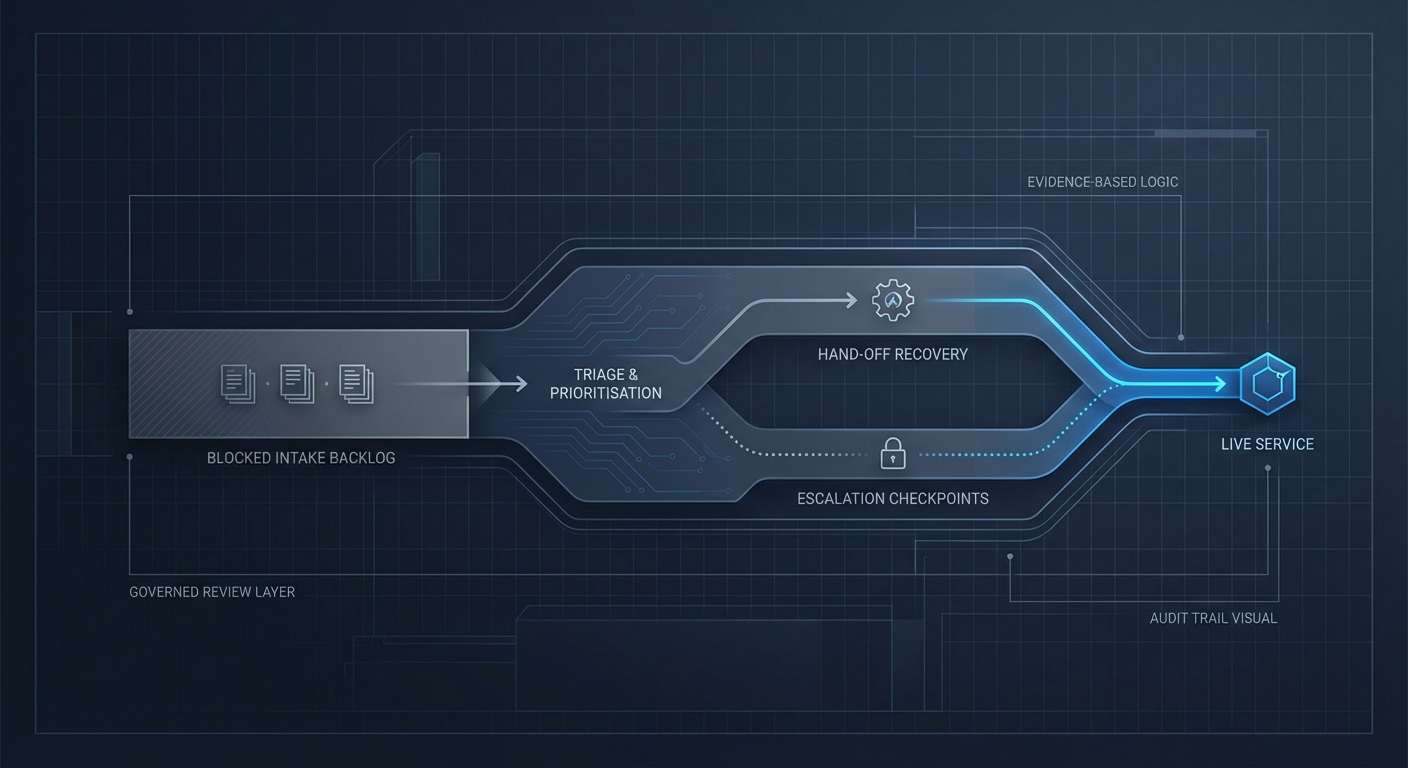
Operational recovery
Fix queues, hand-offs, coordination gaps, and operational friction where delay and rework are draining the service.
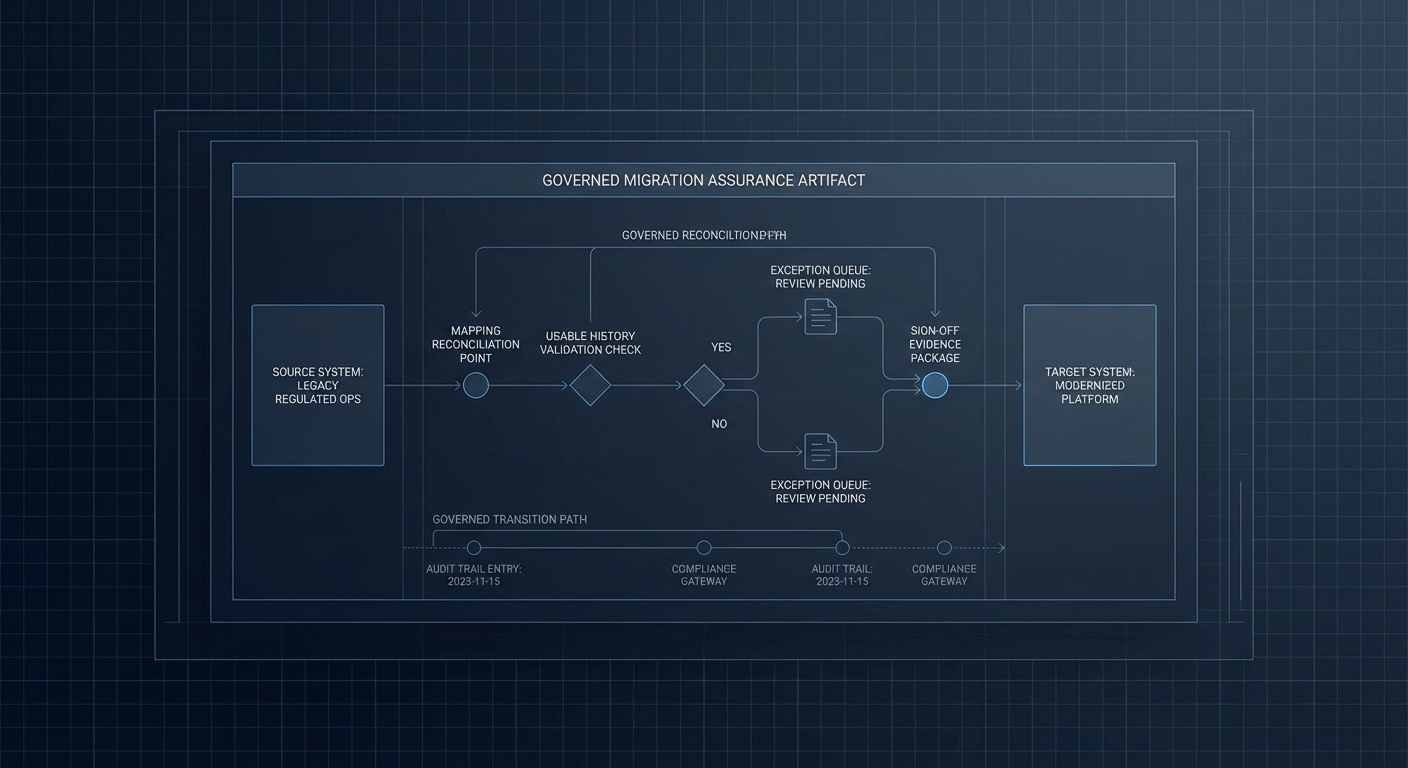
Migration evidence
Prepare for high-stakes migration with mapping, reconciliation, exception handling, and usable-history evidence leaders can sign off.
Scenarios
Two scenario pages showing how Plainstep approaches migration safety, coordination, and reviewable operational improvement.
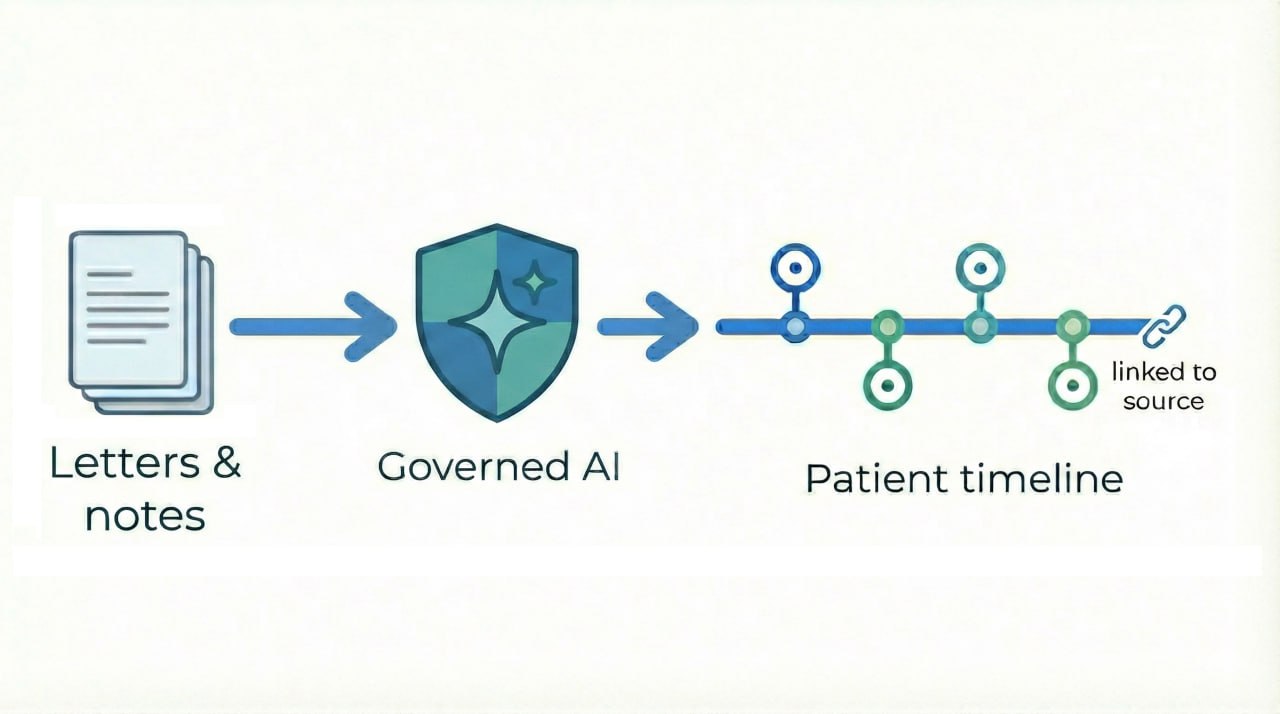
Scenario
A migration scenario for safer transition planning, usable history, and governed review where old records still matter.
See migration scenario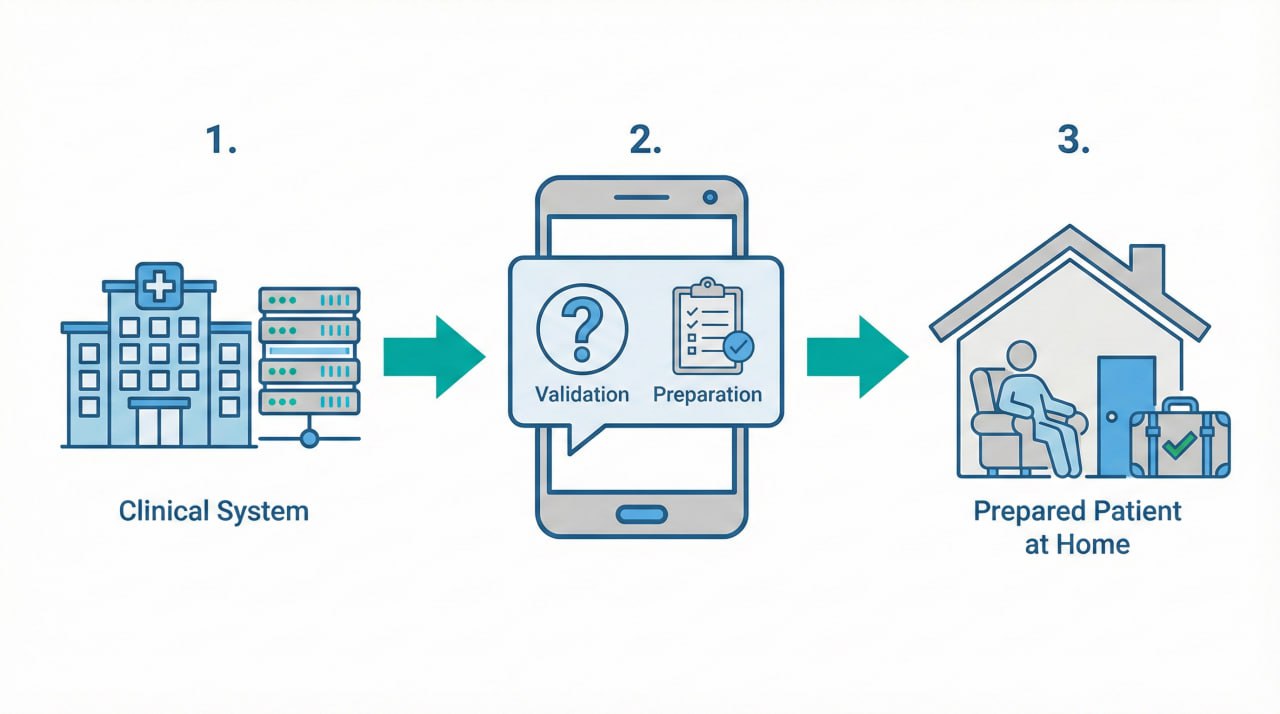
Scenario
An operational flow scenario for coordination, queue visibility, prioritisation, and reviewable oversight in constrained services.
See operational flow scenario